
Plan a three-night family break without booking every day
Three nights can touch four calendar days, but arrival and departure may leave only two full days. Plan those boundaries first, choose one main activity and keep a weather or rest alternative. The sample budget and itinerary below are invented planning examples, not a package or a confirmed 2028 programme.
Three-night example: four dates, two full days
| Day | Main task | Optional addition |
|---|---|---|
| Friday: check-in night 1 | Travel, arrive and settle | Short nearby stop only if suitable |
| Saturday: night 2 | One chosen main activity | Rest or a small local choice |
| Sunday: night 3 | Weather-flexible local day | Use the backup if the main plan moved |
| Monday: check out | Pack, leave and travel home | Do not depend on a full attraction day |
Illustrative cost before optional extras
| Line | Calculation | Total |
|---|---|---|
| Accommodation | 3 nights × $180 | $540 |
| Planned shared food | Household assumption | $180 |
| One main activity | Household assumption | $120 |
| Return travel | Household assumption | $160 |
| Total example | Before any contingency or extra purchase | $1,000 |
| Another $120 activity | Only if genuinely wanted | $1,120 revised total |
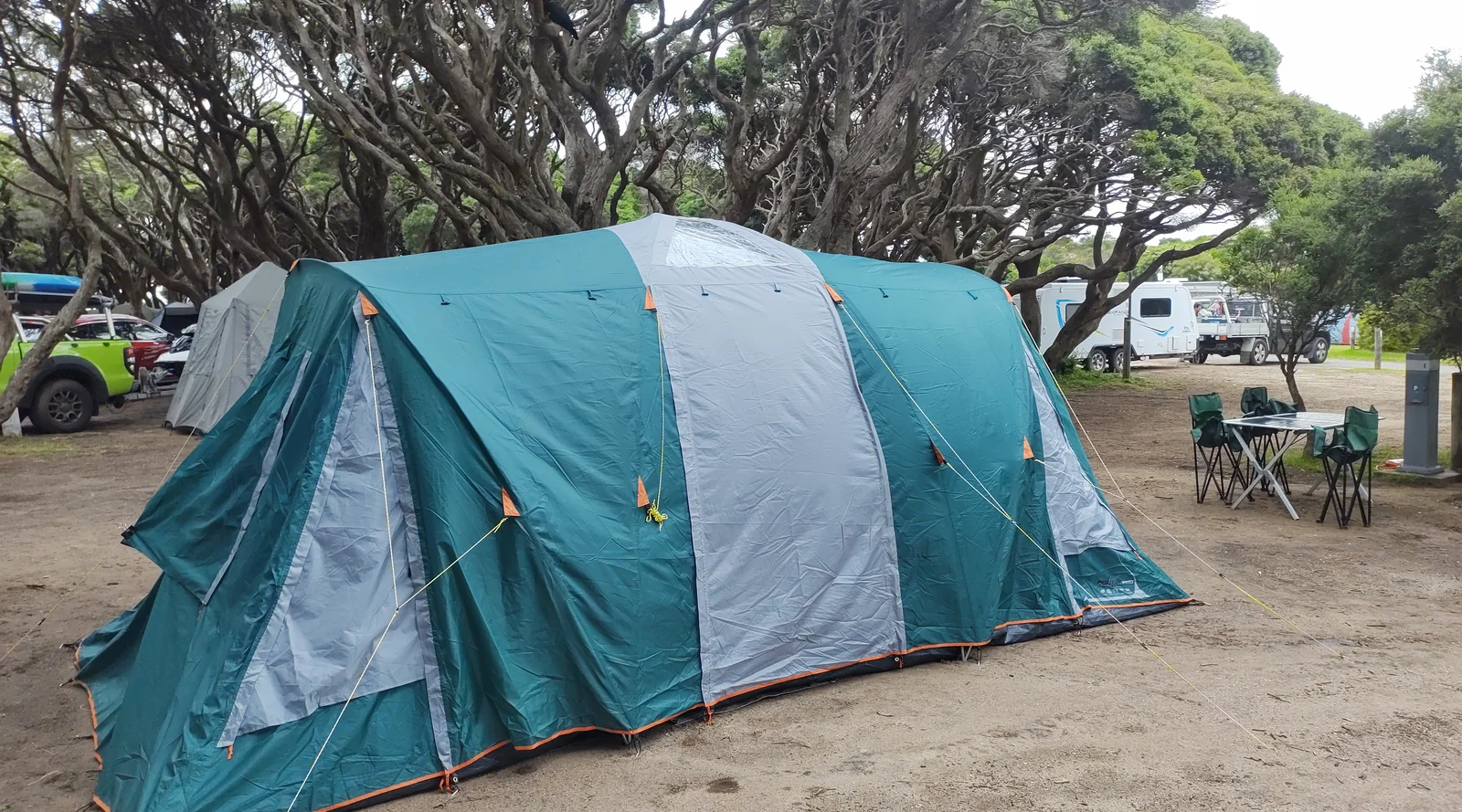

Count the usable time rather than the calendar labels
Write the actual departure from home, property check-in, check-out and arrival home. Three nights is not four full activity days. A long Friday journey and Monday return can leave Saturday and Sunday as the only full days.
Use the actual school and work commitments to choose the dates. The government holiday comparison identifies a candidate window; it does not establish a particular school’s attendance exception or approved time away from work.
Book the main experience, not every open hour
Choose the activity most likely to determine the trip, then check its real date, age, booking and cancellation conditions. Put the rest of that day around arrival, food and breaks. A free-entry collection or short park visit may be an alternative rather than another commitment.
If a weather-dependent activity has to move, leave a day where that change could work. Two tightly booked days can remove the flexibility that a short break needs. Keep any separately ticketed backup out of the total until its purchase is necessary.
Make the budget a household calculation
The $1,000 example uses invented figures. Replace every row with the actual group, nights, food plan and return travel. Include compulsory fees and the effect of a different arrival date; do not compare a three-night quote with a four-night total.
If two households share the stay, agree the cost allocation before one pays. An equal accommodation split and a person-night split can produce different settlements even when the property total is unchanged.
Leave a workable final morning
Check the actual departure requirements and where luggage can go if planning a stop after check-out. A campground or accommodation booking has its own times; another property’s policy does not transfer.
Use the actual journey duration, stops and driver needs. Choose the travel-home day with the first school attendance and next work shift visible. If the return takes most of the day, packing and travel can be enough.
Choose a day your children are off
The dates cover government schools. Catholic and independent schools, year-level finishes and local pupil-free days can vary.
- Queensland official calendar
- NSW · Eastern division official calendar
- Victoria official calendar
- South Australia official calendar
- Western Australia official calendar
- Tasmania official calendar
- ACT · continuing students official calendar
- Northern Territory official calendar
Sources and checks
Official sources checked 25 Nov 2026. Dates, prices, opening arrangements and booking conditions can change before your visit. Ongoing attractions are distinguished from separately dated exhibitions and programmes.
Related school holiday guides
- Refundable or non-refundable accommodation: compare the whole family booking
- What would cancelling three holiday activities actually cost?
- Check two school calendars before paying a family trip deposit
- A go-or-postpone sheet for a family holiday road trip
- Pack for two climates without guessing the baggage allowance